
Published 16 February 2026 · 5 min read
Short answer: yes. A heat pump runs on mains electricity. It doesn't need solar panels, a battery, or any other renewable technology to work. Most heat pump installations in the UK don't include solar.
The longer answer is about economics. Solar can reduce the running costs of a heat pump significantly, but it's not essential, and the two decisions don't have to happen at the same time.
What a heat pump actually needs
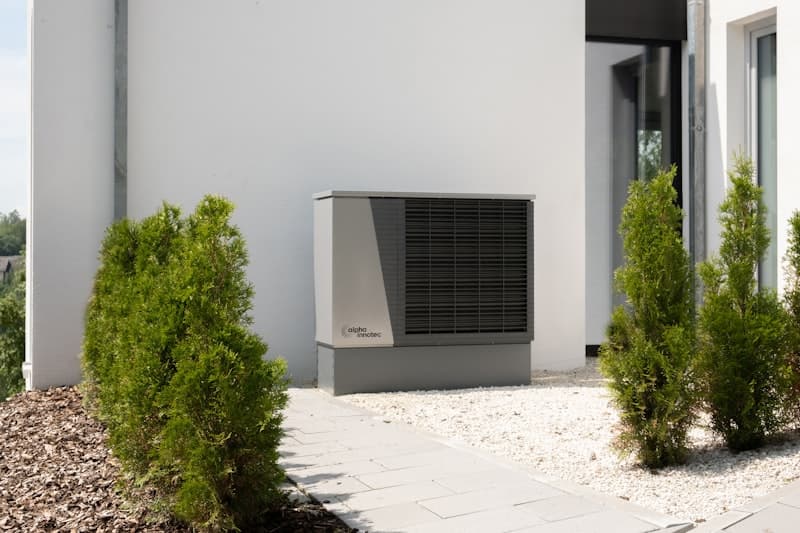
An air source heat pump sits outside your home and extracts heat from the air, even when it's cold. It uses electricity to do this, but it's much more efficient than directly heating with electricity. For every 1 kWh of electricity it uses, it produces around 2.8–3.5 kWh of heat (averaging about 3.0 in UK conditions). This ratio is called the Coefficient of Performance (COP).
That electricity comes from the grid. Same as your kettle, your lights, and your washing machine. Solar panels can offset some of that grid electricity, but they don't replace it. Your heat pump will always draw from the grid when the sun isn't shining, which in the UK is most of the time you actually need heating.
What it costs without solar
Let's do the maths for a typical 3-bedroom semi-detached house.
Running cost comparison
Gas boiler
Gas at 5.93p/kWh · ~85% efficiency
~£850–£1,000/yr
Heat pump (no solar)
Electricity at 27.69p/kWh · COP ~3.0
~£950–£1,100/yr
Heat pump (HP tariff)
Some suppliers offer ~15p/kWh heat pump tariffs
~£500–£600/yr
Heat pump + solar
Standard tariff + ~40% from solar
~£550–£700/yr
Based on Ofgem Q1 2026 rates. Typical 10,000–12,000 kWh annual heating demand. Actual costs depend on your property, insulation, and usage.
At standard Ofgem electricity rates, a heat pump costs roughly the same or slightly more to run as a gas boiler. The electricity-to-gas price ratio in the UK (about 4.7:1) means you need a COP above 4.0 to break even on running costs alone, and most real-world systems average around 3.0.
The financial case is elsewhere. The £7,500 BUS grant covers most of the upfront cost. Some energy suppliers now offer heat pump tariffs around 15p/kWh, which Nesta's Electrification of Heat project showed makes heat pumps significantly cheaper than gas. And gas prices are expected to rise faster than electricity over the coming decade as carbon levies shift.
The £7,500 grant doesn't require solar
The Boiler Upgrade Scheme (BUS) gives you £7,500 off the cost of a heat pump. A typical installation costs £10,000–£15,000, so with the grant you might pay £2,500–£7,500 out of pocket.
There's no requirement to have solar panels. The only conditions are:
- Your property must have a valid EPC (any rating)
- The installer must be MCS-certified
- You must own the property (or have a lease of 7+ years)
- It must replace an existing fossil fuel heating system
Don't have a valid EPC? You'll need one before you can claim the grant. An assessment typically costs £65–£100 and takes about an hour. Read our EPC guide →
When does adding solar make sense?
Solar panels generate the most electricity in summer, but you need the most heating in winter. There's a mismatch. That said, solar still helps:
Spring and autumn
Your heat pump still runs for hot water and mild heating. Solar can cover a good chunk of this.
Summer
Your heat pump only heats water. Solar easily covers this, and you export the surplus (earning 12p/kWh via the Smart Export Guarantee).
Winter
Solar generation is low and heat pump demand is high. You'll still draw most electricity from the grid.
A battery helps bridge the gap by storing solar energy generated during the day for the evening. But batteries add £3,000–£5,000 to the cost and have a longer payback.
Heat pump first, or both at once?
These are two separate decisions:
Decision 1: Should I get a heat pump?
If you're on gas or oil, the £7,500 grant makes this financially attractive right now. Running costs are similar to gas (sometimes lower). You future-proof against gas price rises. The grant won't last forever.
Decision 2: Should I add solar?
Solar makes financial sense whether or not you have a heat pump. Typical payback is 8–11 years, and a system lasts 25+. If you already have a heat pump, solar reduces your running costs further. But you can add it later. There's no rush.
Most people who do both get the heat pump first. The BUS grant is the bigger incentive, and you can size your solar system based on your actual electricity usage once the heat pump is running.
You don't need both to get started
A heat pump works fine without solar. At standard electricity rates, running costs are roughly similar to gas, but with the £7,500 grant covering most of the installation, a heat pump tariff bringing running costs down, and gas prices likely to rise, the economics stack up. You can always add solar later. Don't let “I should probably get solar too” stop you from claiming the grant while it's available.
Check what it means for your home
Enter your postcode and we'll show your current heating system, potential savings, and which grants apply.
Check your home →Sources: Ofgem Q1 2026 price cap rates (gas 5.93p/kWh, electricity 27.69p/kWh). COP averages from Energy Saving Trust field trials and Nesta Electrification of Heat project. Heat pump tariff data from Nesta. BUS grant details from GOV.UK. Solar generation estimates from EU PVGIS for UK latitudes. SEG rate 12p/kWh typical average. See our methodology for full calculation details.